What Happens After the Drawings Are Finished?
Behind every beautifully resolved home are hundreds of decisions most homeowners never see.We asked Concept Build's Matt Murison to reflect on the construction of Drake Residence in Brighton and reveal why bringing great design to life is about far more than following a set of drawings.
When we admire a completed home, it's easy to imagine that the difficult work happened during the design phase.
The architect developed the vision. The landscape designer resolved the garden. The builder then followed the drawings until the project was complete.
After speaking with Matt Murison, Director of Concept Build, about Drake Residence in Brighton, we were reminded that the process is far more collaborative than that.
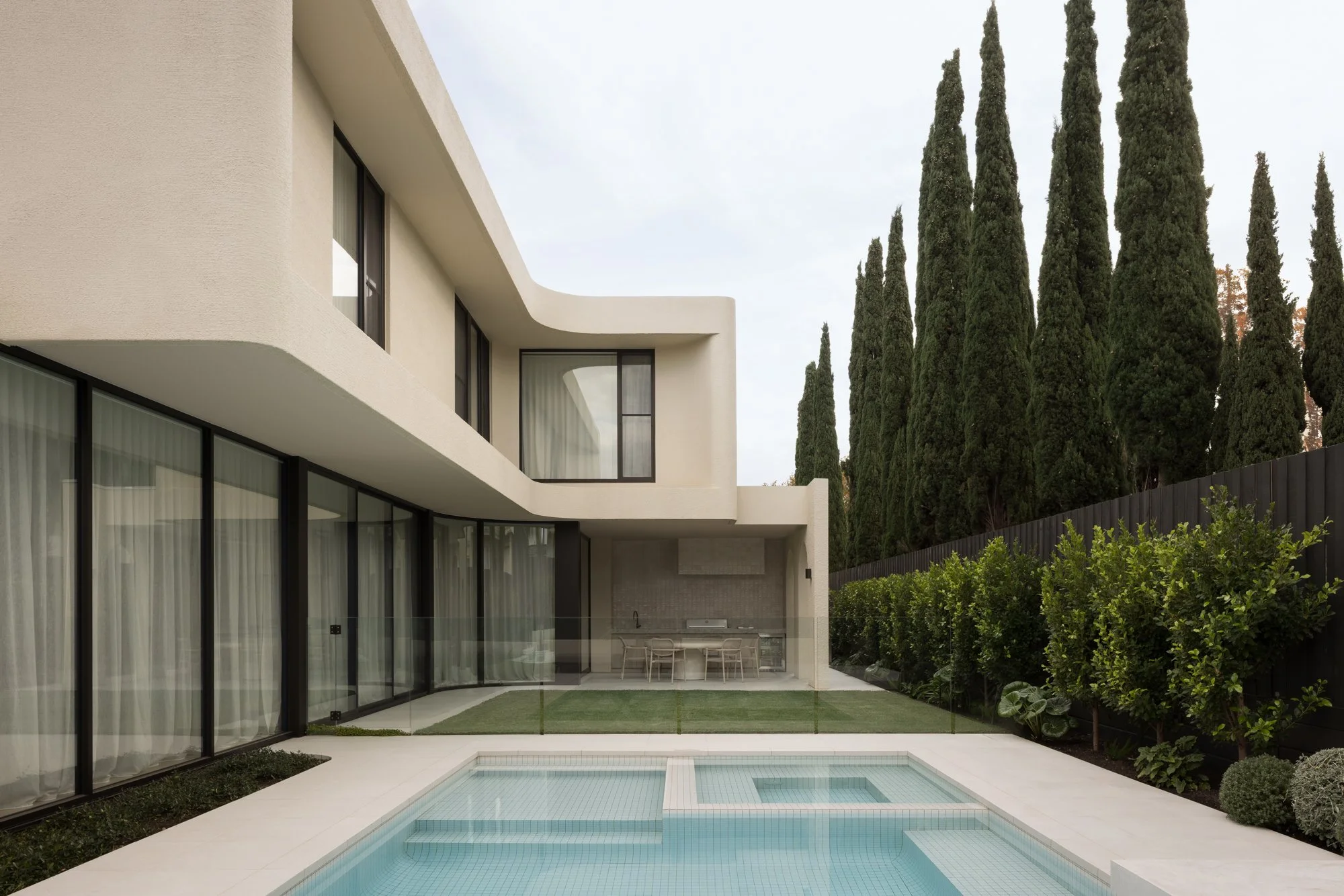
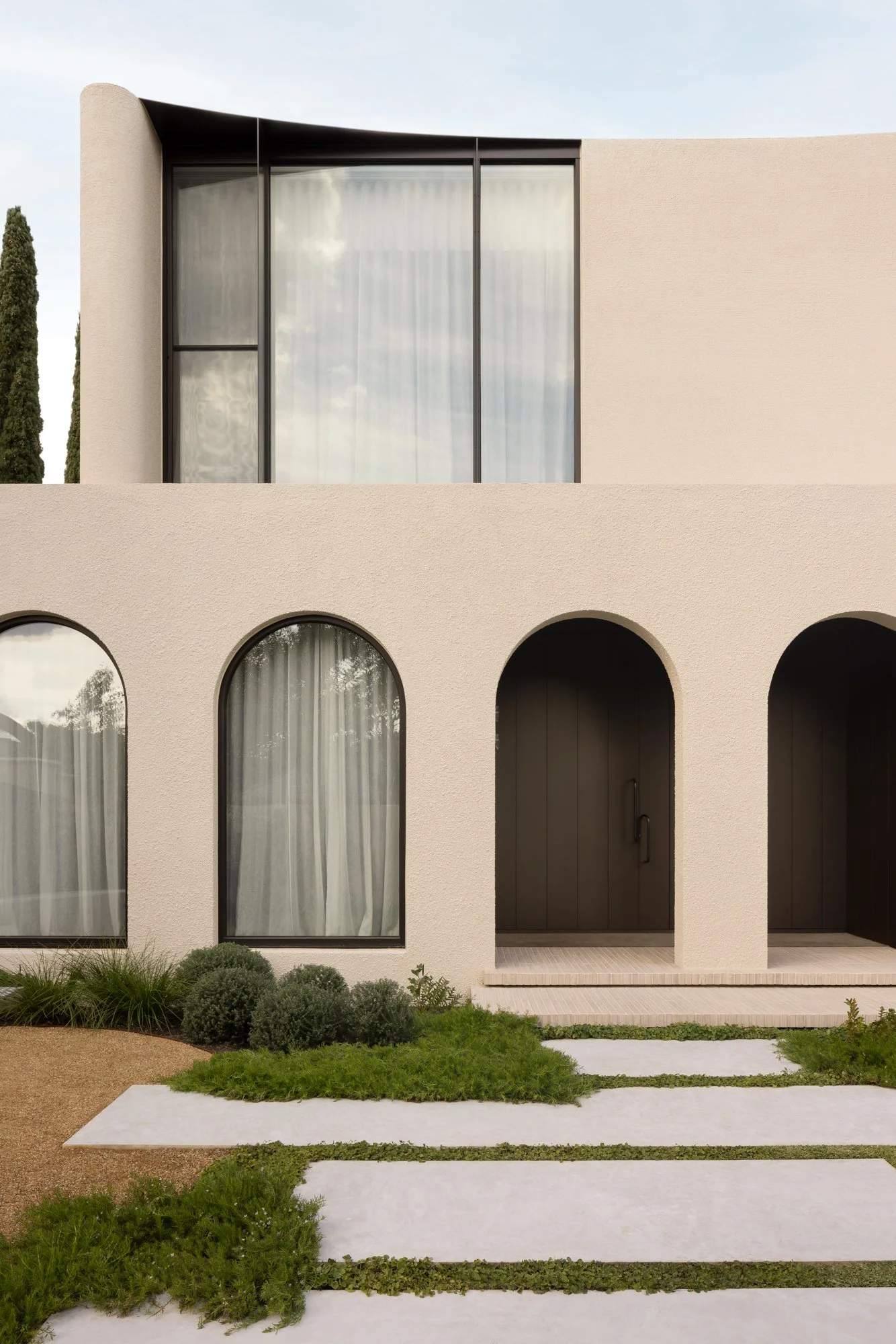
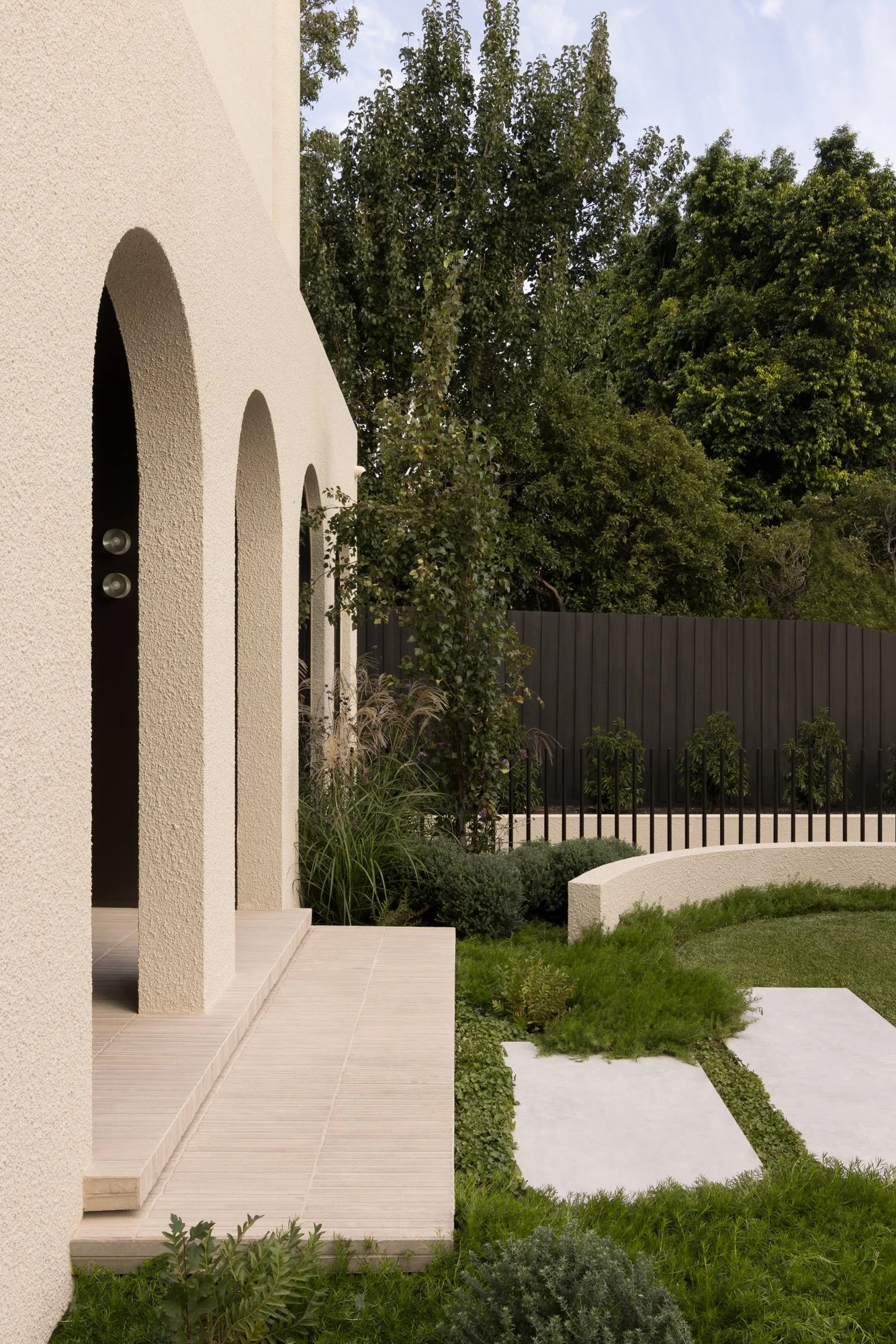
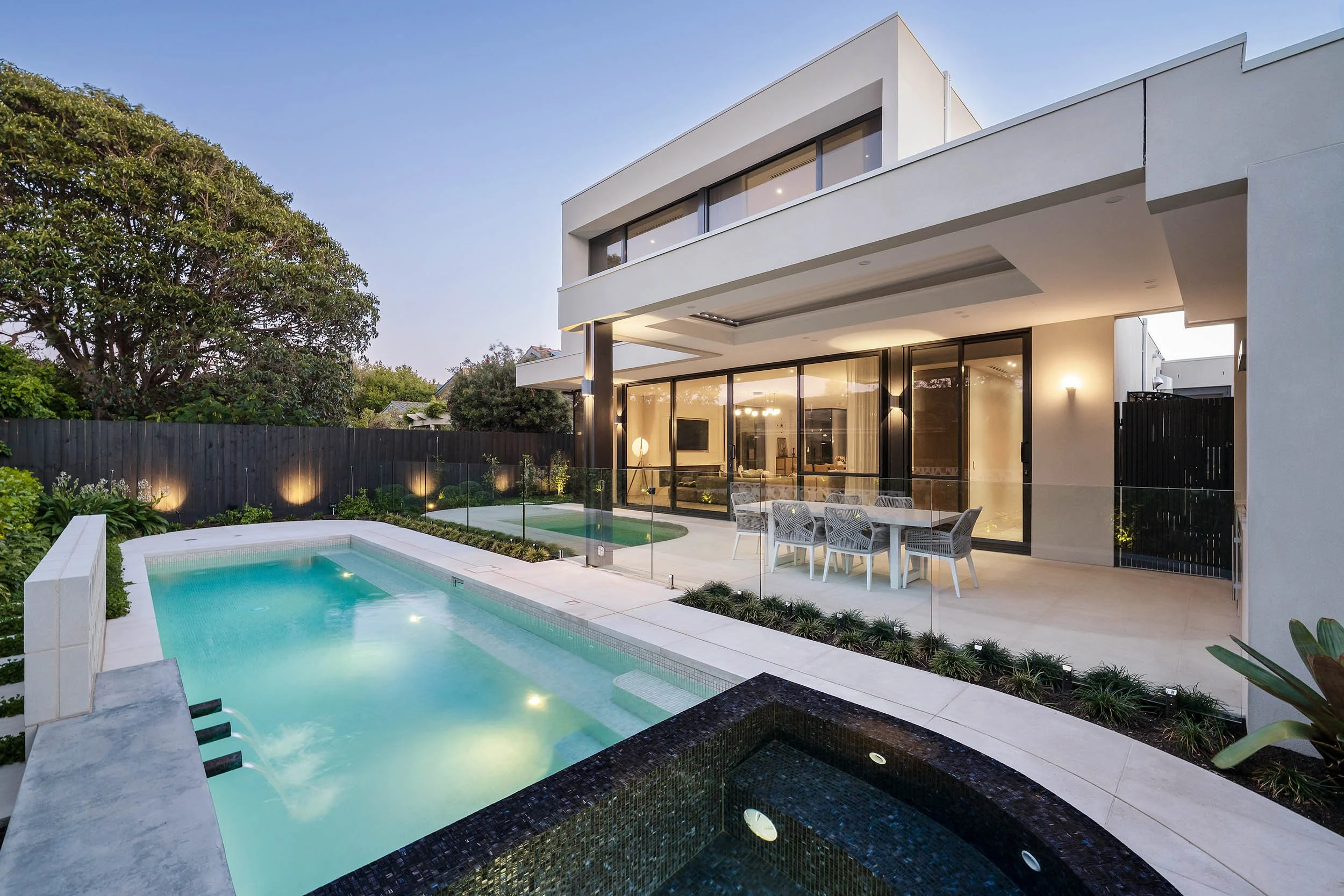
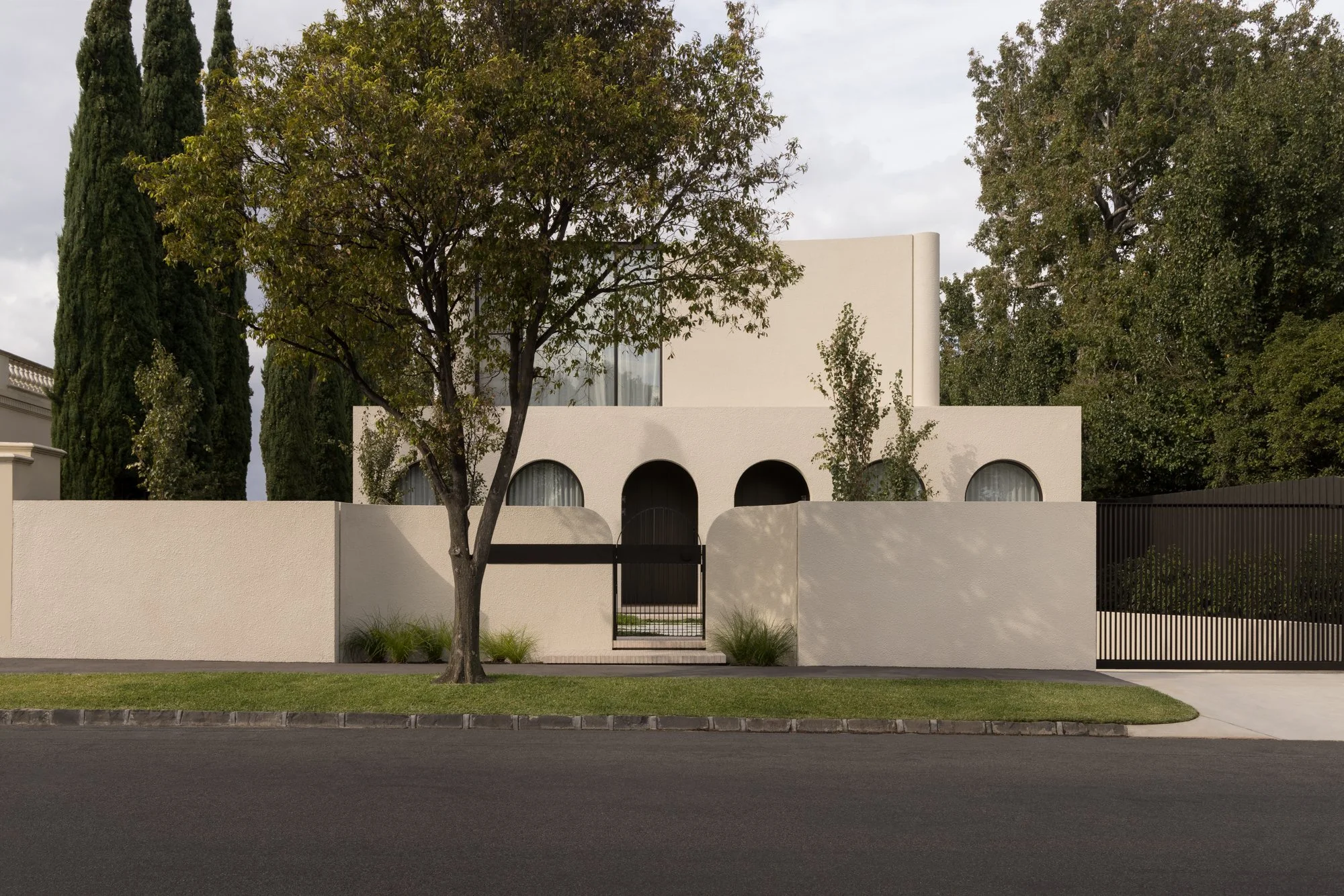
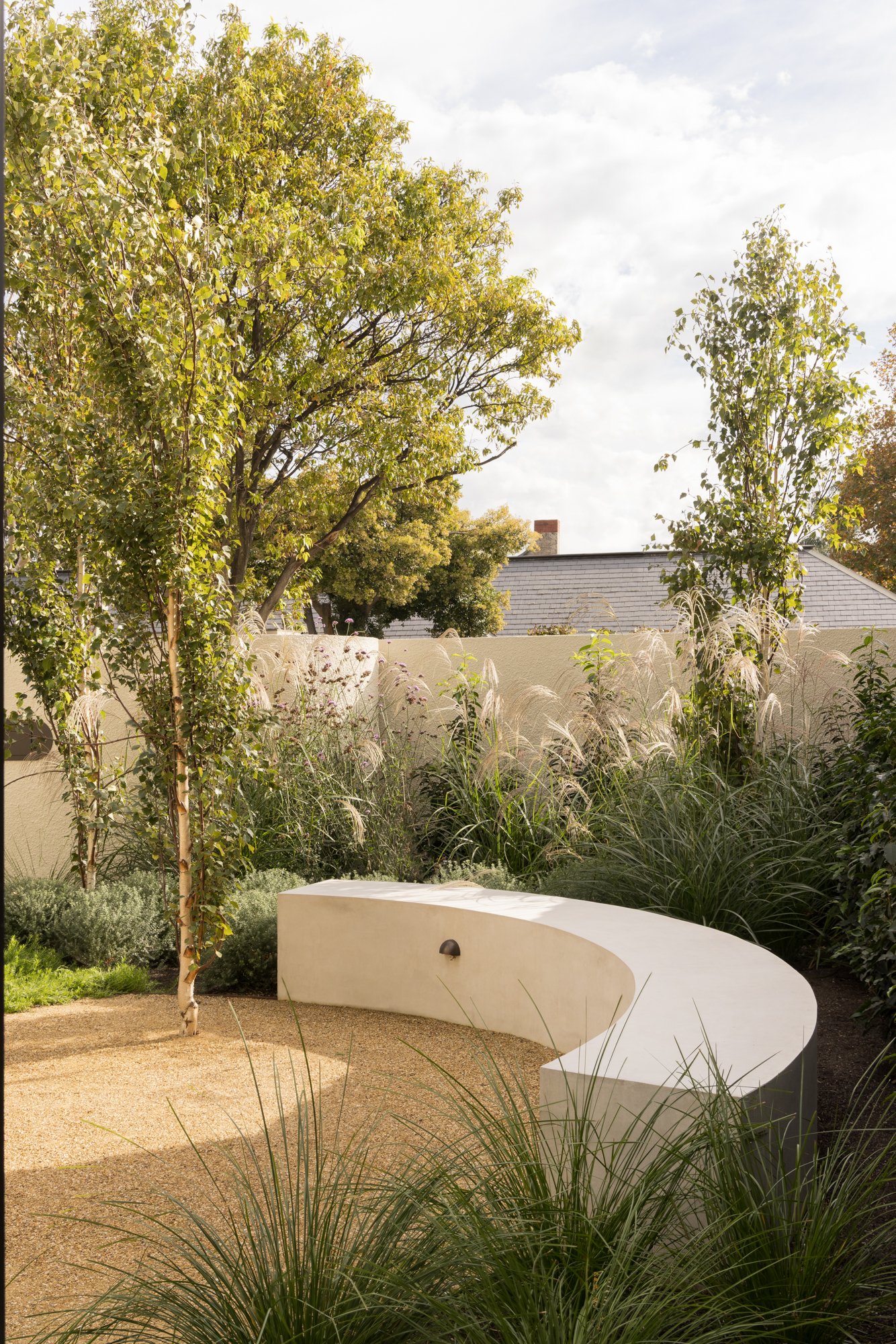
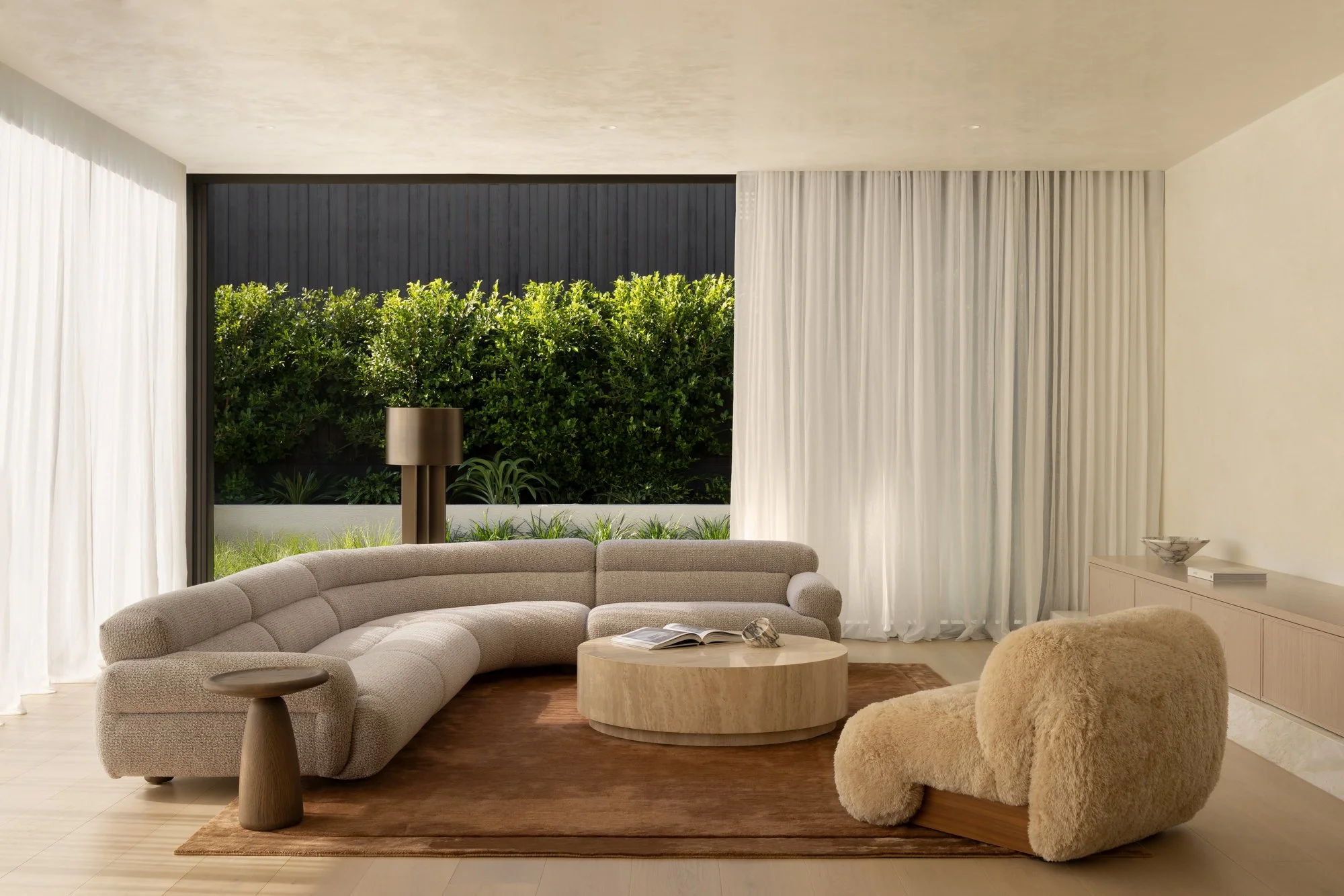
Designed by Sync Architecture, with landscape design by Mint Landscape Design, Drake Residence in Brighton is a home defined by restraint. Rather than relying on elaborate forms or an abundance of materials, the project finds its strength in proportion, carefully resolved detailing and a quiet confidence that comes from knowing when to stop. The pool and spa, constructed by Apex Pools, together with the landscape delivered by Iconic Gardens, extend that same architectural language outdoors, allowing house and garden to feel as though they belong to one another.
Projects like this have a way of making everything appear inevitable.
What isn't immediately obvious is how many important decisions were still being made long after the drawings had been completed.
We recently asked Matt to reflect on the construction of Drake Residence. While our questions focused on the build itself, his answers revealed something much broader about judgement, craftsmanship and the countless decisions that quietly shape the finished outcome.
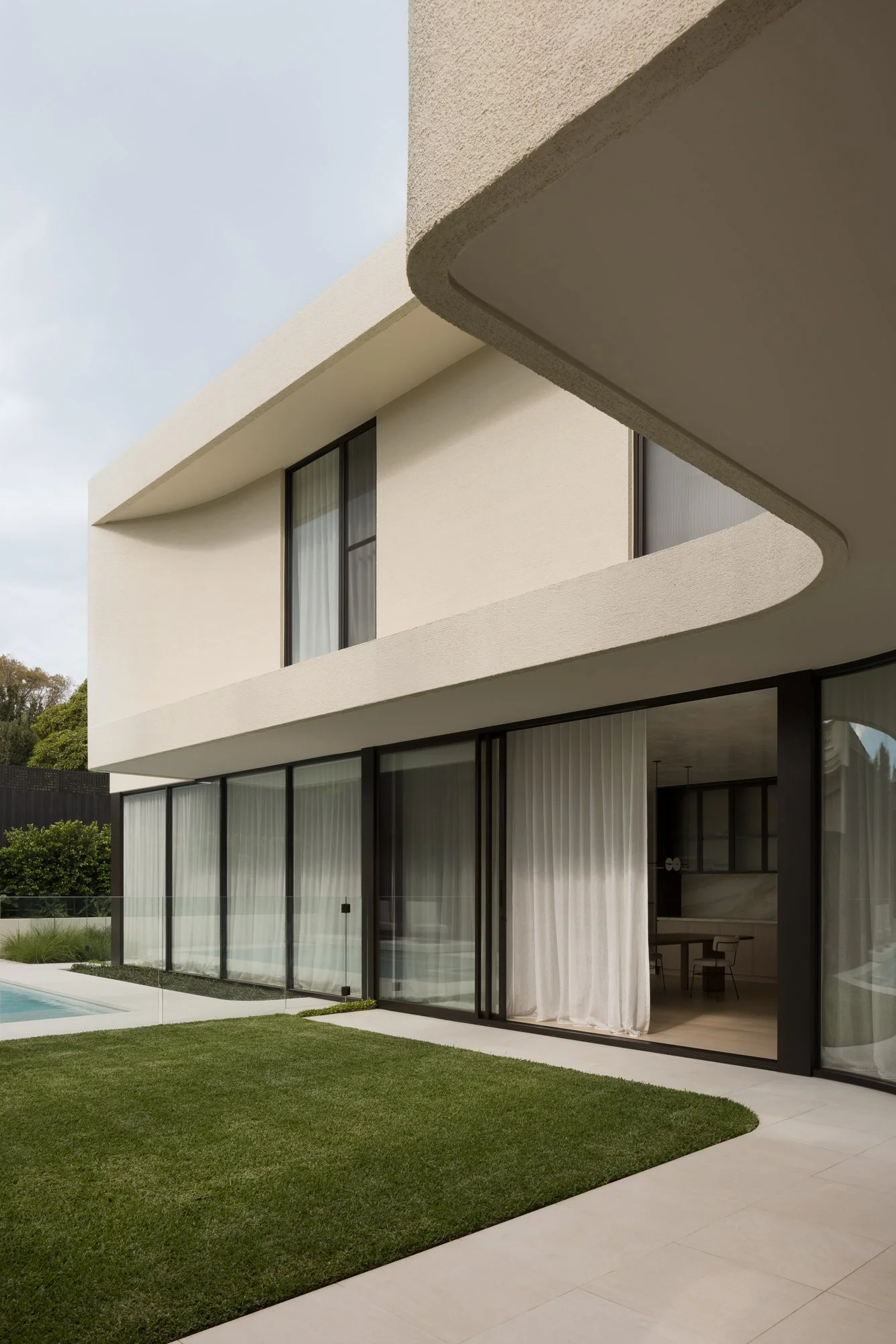
Curves are designed on paper. They're perfected on site.
One of the first things people notice about Drake Residence is the softness of its architecture.
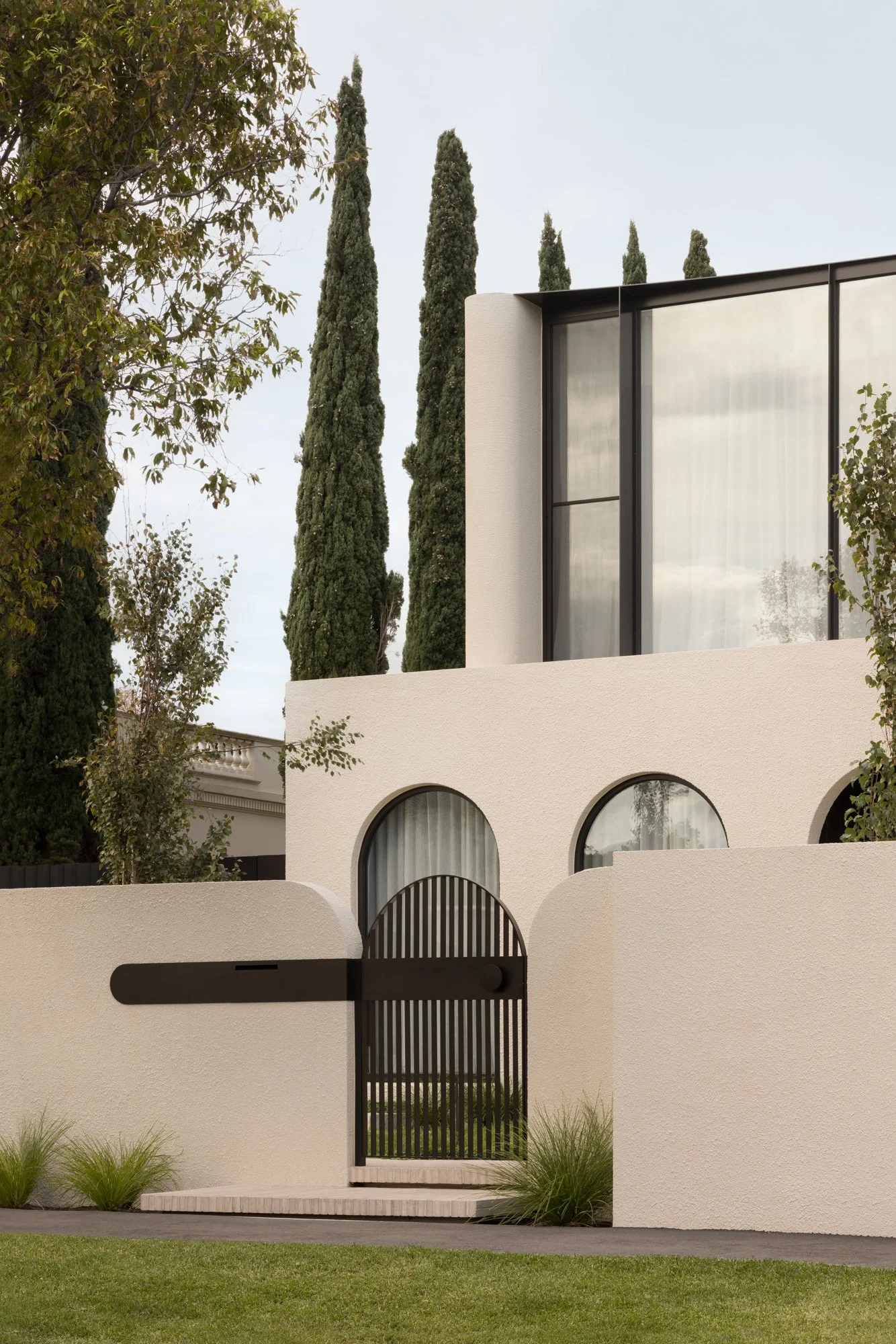
Curves appear throughout the front façade, archways and alfresco, creating a language that feels consistent without ever becoming overworked. They look effortless, almost inevitable, as though they couldn't possibly have been designed any other way.
When we asked Matt whether curves really are more challenging to build than straight forms, his answer immediately shifted the conversation.
“Curves are much more challenging than straight lines.
The key with curves is ensuring where they start and end looks like it flows well back into the straight forms of the building. Sometimes we have to alter the radius on site because it doesn’t look right.”
That final sentence is particularly revealing.
Most of us assume construction is about faithfully reproducing a set of drawings. Matt's answer suggests something more nuanced. A curve can be technically correct, yet once it's framed, rendered and viewed within the context of the entire home, it may not feel quite right.
The decision to adjust a radius isn't about changing the design, but protecting it, ensuring the finished building captures the same intent that existed on paper.
It's a distinction most homeowners rarely get to see. The best builders aren't simply constructing what's been drawn. They're constantly asking whether the built form still reflects the designer's original vision.
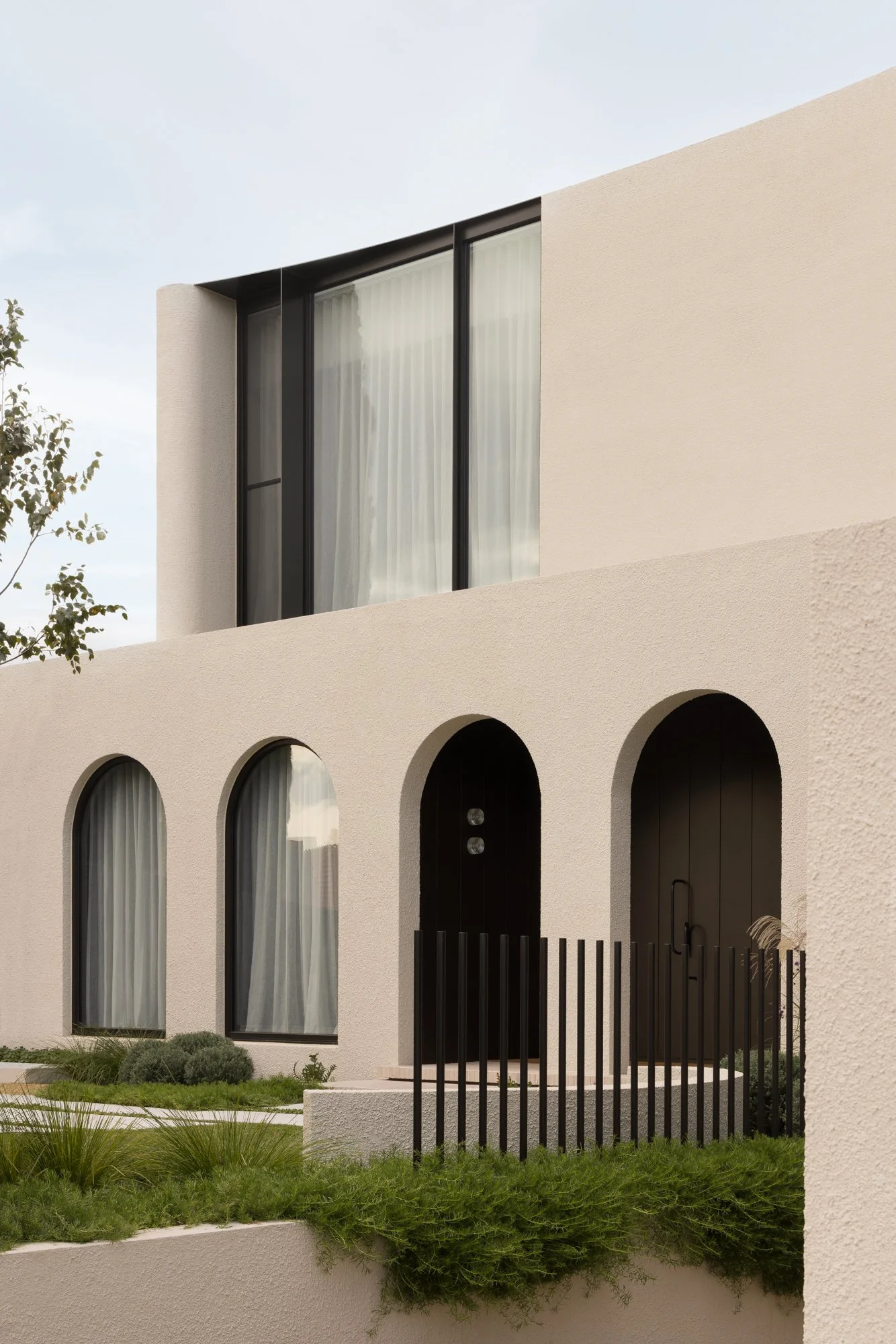
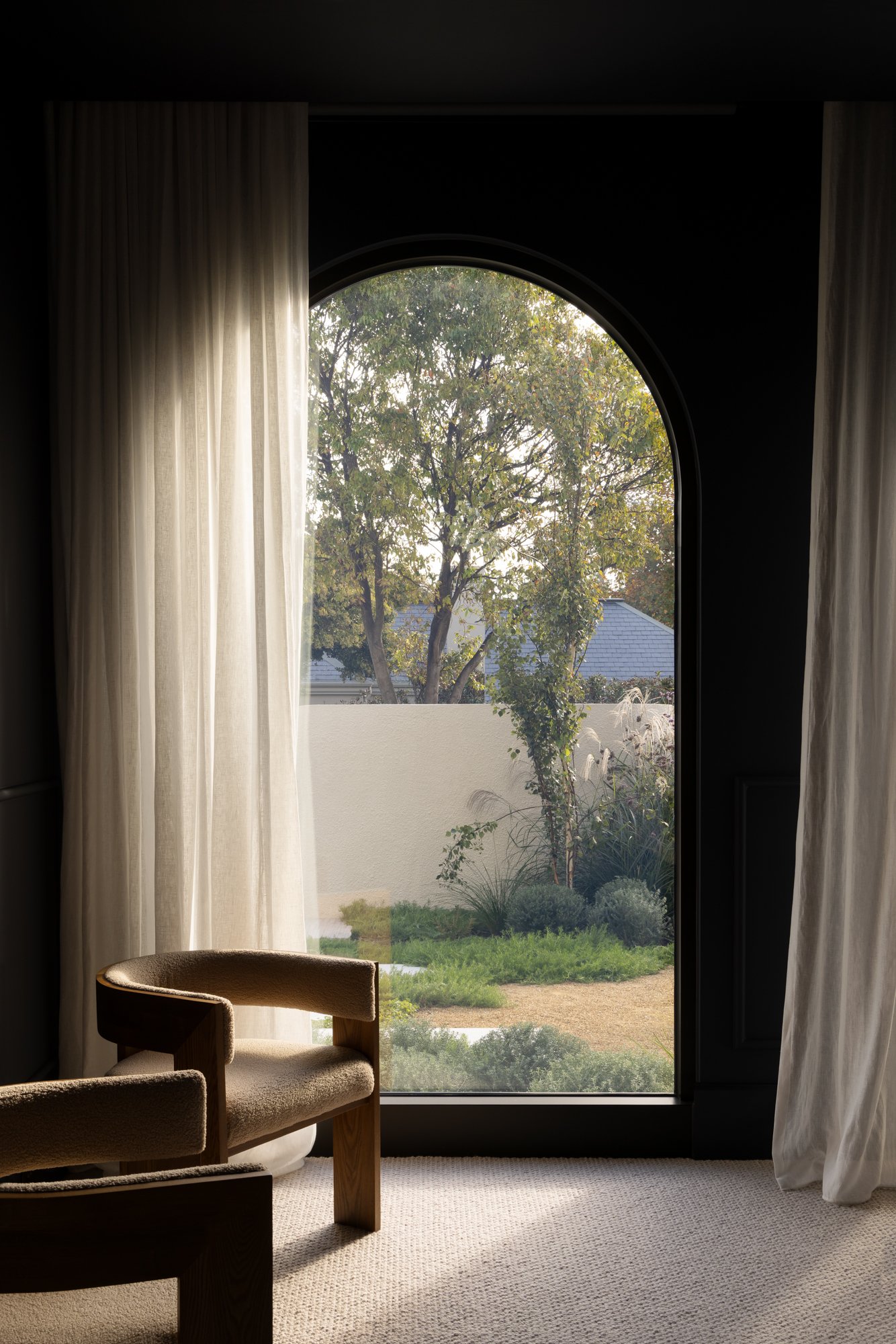
The details you'll never think about are often the ones that matter most.
When asked which part of Drake Residence he was most proud of, Matt didn't talk about the scale of the project or one particularly difficult stage of construction.
He spoke about the front archways.
“We used an old-school brick method to create the archways with templates rather than using newer methods with steel lintels. With the traditional method, you don’t see how the building is being held up. You simply see the rough-cast render flowing through the arch, which is a much nicer detail.”
It's one of those answers that changes the way you look at the finished home.
Most people will never consciously notice how those arches have been built. They'll simply experience them as part of the architecture. Yet the decision to use a traditional construction method wasn't made for the people who would notice.
It was made for everyone who wouldn't.
Perhaps that's one of the defining characteristics of exceptional craftsmanship. It rarely demands attention. Instead, it quietly removes distraction, allowing the architecture itself to remain the focus.
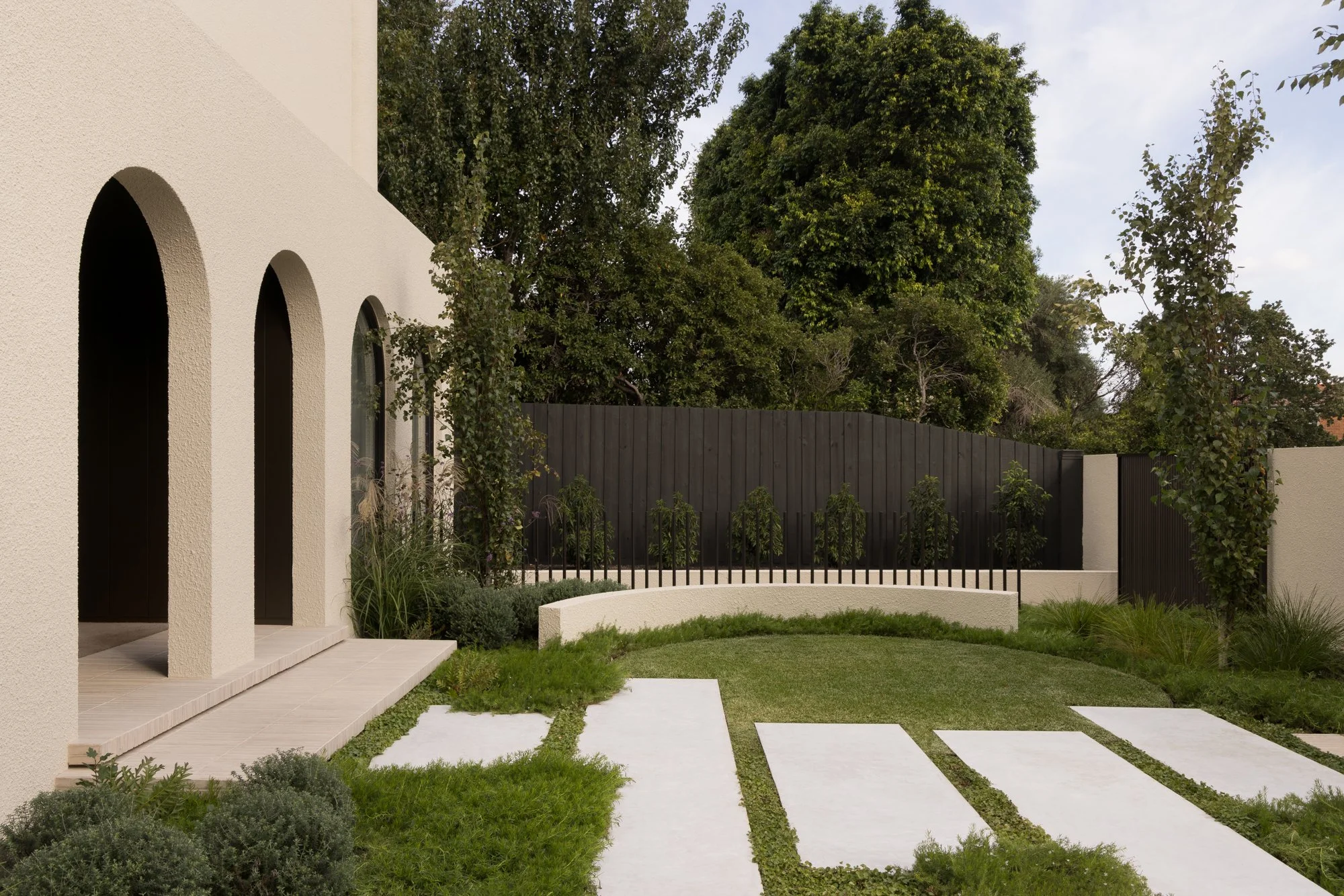
Precision begins long before anyone sees a finished surface.
Although we asked Matt about very different aspects of the project, from curves to construction techniques, one theme kept resurfacing: planning. Not the finishes or the materials homeowners eventually see, but the decisions made long before any of those elements arrive on site.
“Any luxury home where there is zero tolerance, where building forms must line up or be flush with various materials, means a lot of planning at the frame and structure stage.
The outcome is always precision. The more different materials that need to line up or finish flush, the more planning has to happen earlier.”
It's another part of the process that quietly disappears once the home is complete.
Standing in front of Drake Residence today, it's easy to appreciate the way materials align so precisely, or how effortlessly one finish transitions into the next. What remains invisible are the months of planning that made those moments possible, when walls were still being framed and many of the finished materials hadn't even been ordered.
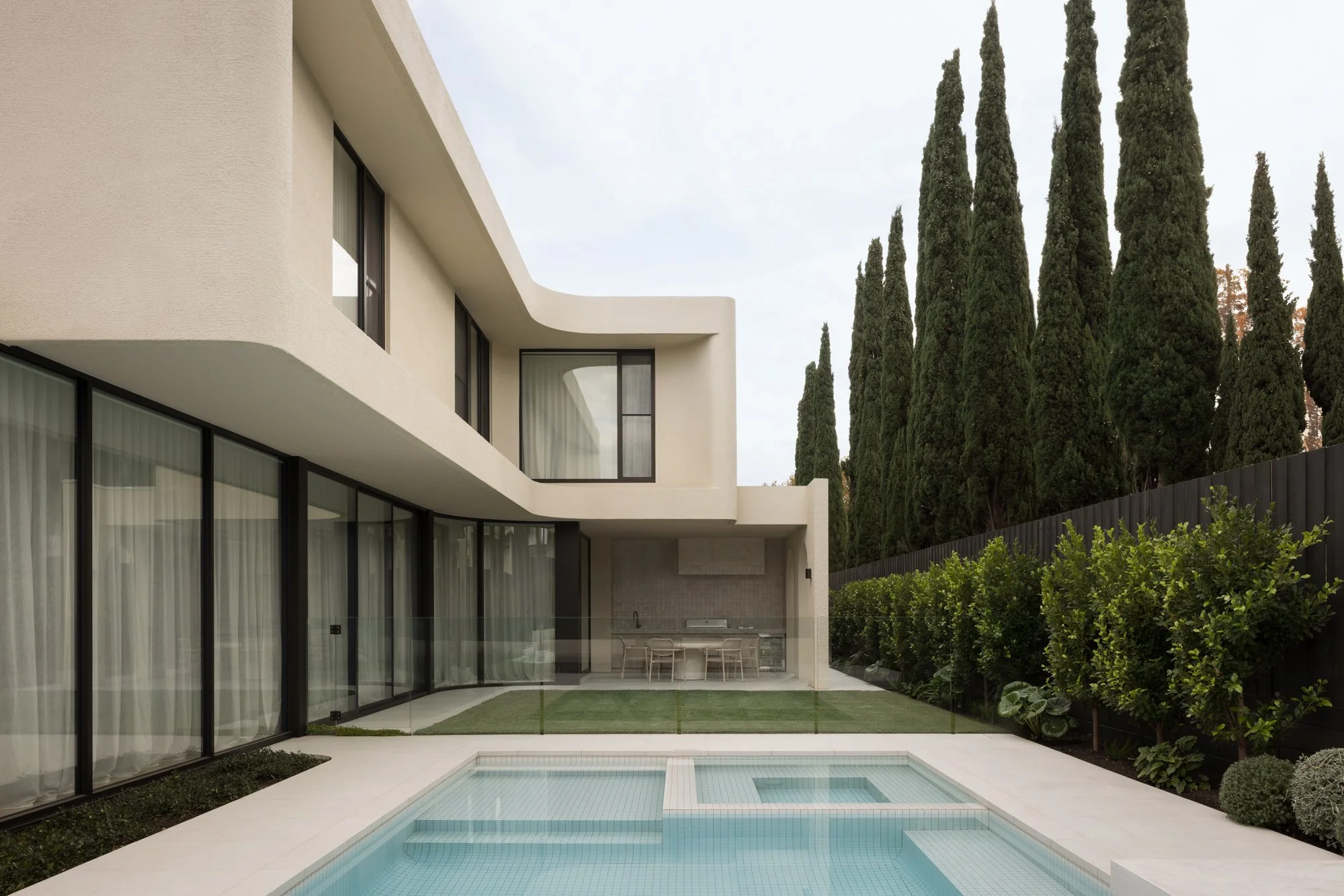
The garden begins long before the planting.
We also asked Matt what difference it makes when landscape design is considered from the outset, rather than after the architecture has already been resolved.
There was no hesitation.
"It makes all the difference, to be honest. If landscape design hasn't been thoughtfully curated then important details can become missed, or the outcome won't be as good as it could have been. Professional expertise with plant choices, plant locations and use of space changes the result."
It's an interesting observation because it comes from the builder rather than the landscape designer.
Homeowners naturally think about gardens towards the end of a project, once the house is beginning to take shape. Construction follows a different timeline. Long before the first tree is planted, decisions have already been made about levels, thresholds, drainage, services and the relationship between indoor and outdoor spaces. Those decisions influence not only how a landscape will look, but how it will function for decades to come.
By the time Iconic Gardens commenced construction of the landscape at Drake Residence, much of that thinking had already been carefully resolved. Their role was to execute that vision with the same level of care and precision evident throughout the home itself.
"The difference is in the detail."
Before finishing, we asked Matt what best reflects the philosophy of Concept Build.
His answer was simple.
“Our motto is ‘The difference is in the detail’ and the detail is executed with careful planning. We pride ourselves on asking questions early to understand exactly what the professionals who designed the project were wanting to achieve, so we can execute it the way they had hoped while also helping them understand what can be achieved through different construction methods.”
EXPLORE OUR WORK